
Comparisons
AI Rendering, V-Ray and Lumion: Choosing the Right Workflow
June 16, 2026
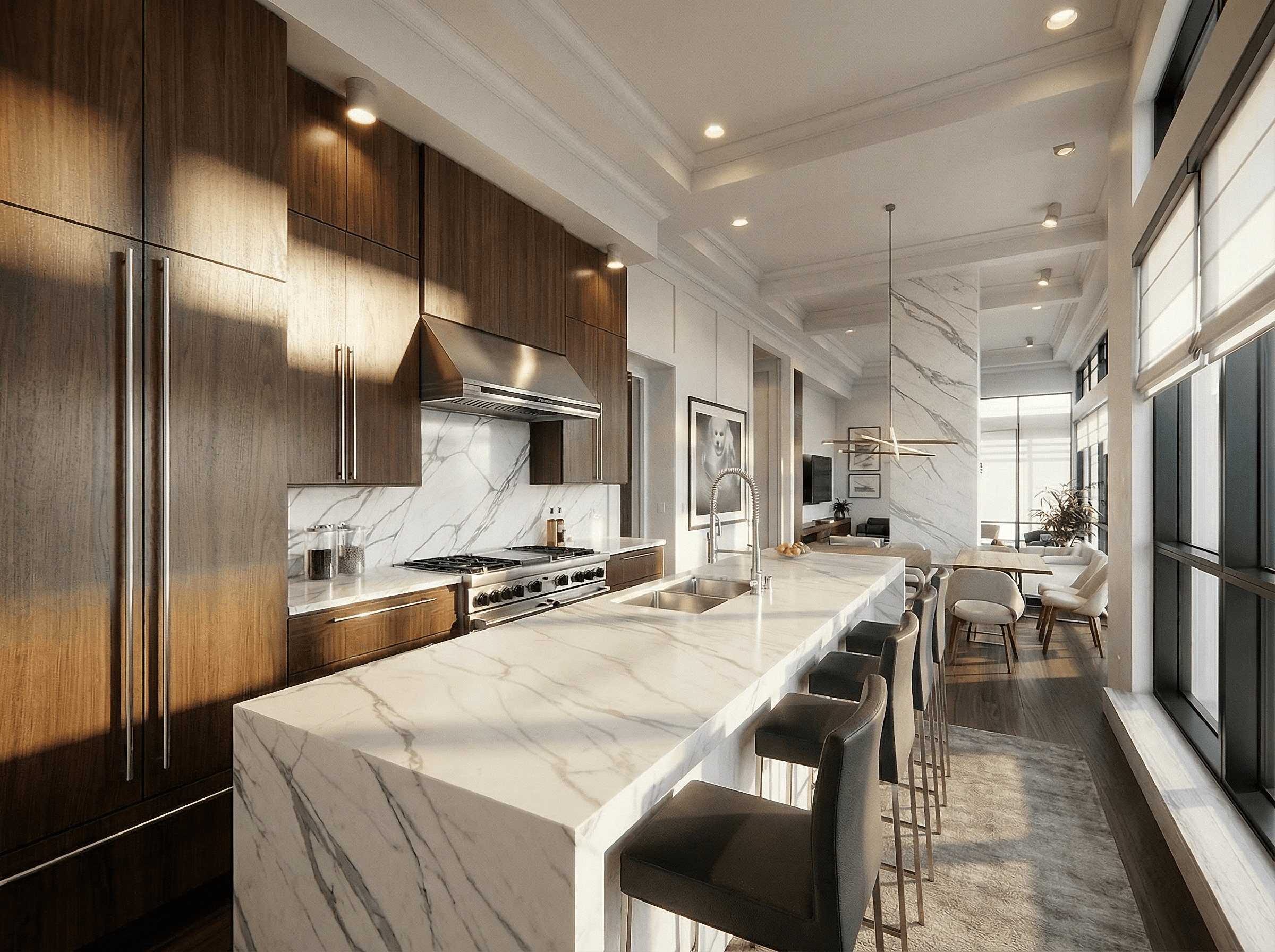
Image generation and scene-based rendering solve different problems. The useful question is which workflow provides the control and evidence your deliverable needs.
What is being controlled?
RNDRS Studio starts from supplied images, instructions and references. It can help explore appearance and revise a design image, while retaining project versions and exports. The model can still change geometry or invent detail.
V-Ray is presented by its maker as 3D rendering software. Lumion documents working with imported 3D models. Consult their current documentation for supported applications and features. Scene-based control and an image-based instruction are not interchangeable inputs.
Compare the whole task
Use the same design question and intended output. Include preparation, scene work, generation time, rejected attempts and correction effort. Check more than the hero frame: repeatable cameras, openings, material placement and the consistency of a set can matter more than a single attractive result.
No universal time, cost-saving or quality ratio is established by this article. Hardware, scene complexity, model behavior and the operator's workflow affect the result.
A possible combined workflow
Explore an early material direction with images, record the selected references and constraints, then carry the approved design intent into the authoritative model and final visualization workflow. Verify that the final geometry matches the actual project, rather than copying invented details from a concept image.
Use a controlled comparison before replacing an existing production process. Try one RNDRS task and consult current plans; evaluate accepted output and correction effort together.
Try this workflow yourself
Studio is available to everyone. Check pricing for the current credit allowance and action costs.
Start free